The Indigenous Ewe Symbols
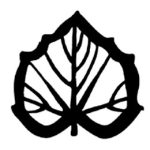
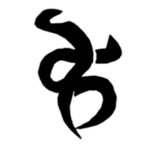
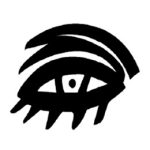
Ewe cultural symbols (Èʋê Dzesiwo) are visual representations of proverbs, myths, and life philosophies that communicate the history, values, and social structure of the Ewe people.
Ewe cultural symbols are an important part of the history and traditions of the Ewe people. They are more than decorative designs. Many of them represent proverbs, life lessons, beliefs, and ideas that have been passed down through generations. Through these symbols, people can share messages about how to live, treat others, face challenges, and contribute to their communities.
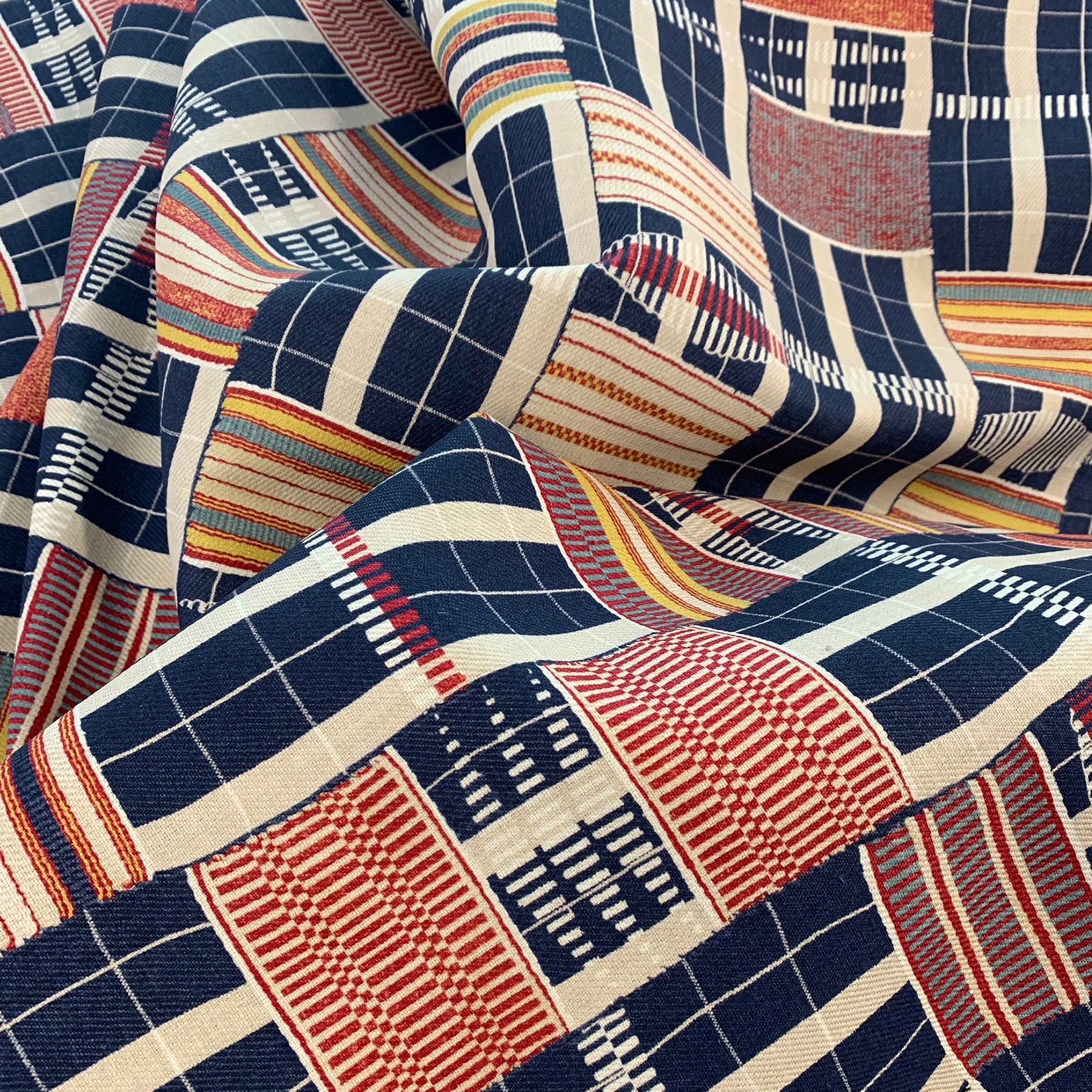
These symbols are often inspired by everyday life, nature, animals, plants, historical events, and traditional beliefs. They can be found in different forms of Ewe art, including traditional stools, canoes, buildings, doors, paintings, and linguistic staffs. They are also woven into traditional cloth known as kete.
The Origins of Ewe Symbols
According to Dzobo (1997), Ewe cultural symbols are believed to have developed from traditional myths. These stories were passed down and gradually took the form of fables, poems, songs, and proverbs. Over time, symbols were created to represent the lessons and ideas expressed in these proverbs.
Each symbol has its own meaning, and understanding it often requires knowing the proverb behind it. Some symbols express values such as patience, kindness, and generosity, while others warn against certain behaviours or remind people to be careful in their decisions.
Knowledge of these symbols has traditionally been held by elders and other members of the community. Some are reserved for religious purposes or traditional rulers, while others are used to teach lessons that apply to everyday life. However, much of this knowledge remains unfamiliar to younger generations, and some of the meanings risk being lost as older people pass away.
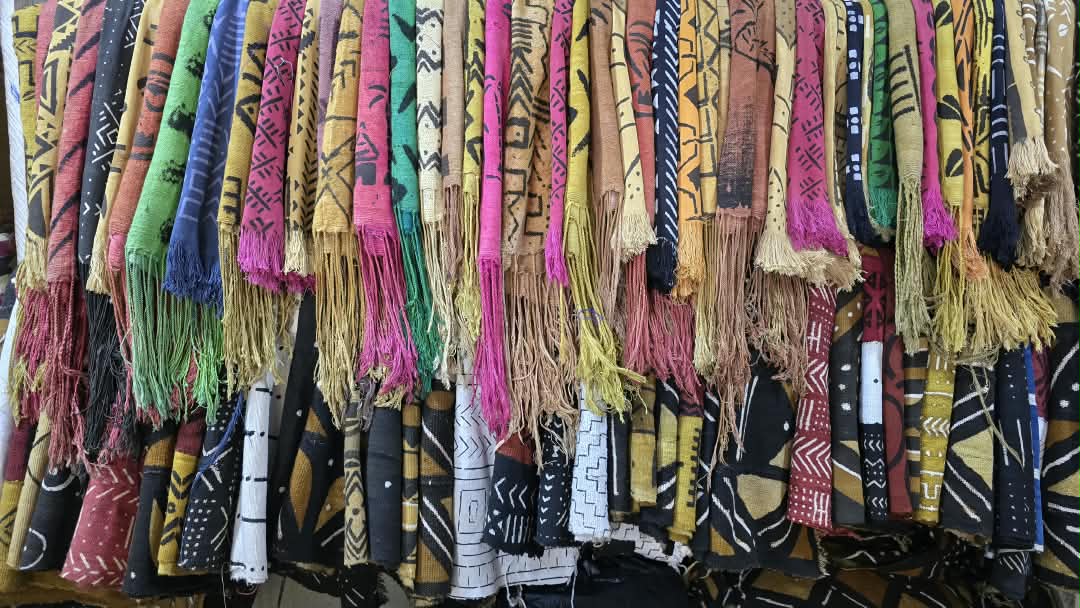
Today, Ewe symbols continue to appear in traditional cloth, decorations, and other forms of artistic work. They are also used in schools to teach cultural values and preserve traditional knowledge. Products made with these symbols provide a source of income for the craftsmen and women who create them.
Here is a list of the Ewe Symbols and what they mean

1. Fiayi: Authority and Justice
Fiayi means “the royal sword” and is a symbol associated with chiefs. It represents authority and justice and reflects the responsibility of traditional leaders to make decisions and address difficult situations.
The symbol comes from the proverb “Nukoe wu ame wotsɔ fiayi sẽ atie,” which means that circumstances may require a person to cut down a tree with a royal sword.
The lesson is that some situations call for unusual measures. Not every problem can be solved in the same way, and there are times when a person must go beyond the usual approach to find a solution. The symbol is a reminder that difficult circumstances may require difficult decisions.

2. Kavuvu: Patience and Support
Kavuvu means “vine support.” It represents patience, growth, and the importance of supporting one another.
The symbol comes from the proverb “Ati nɔ agbɛ ŋuti ka vuna ɖo,” which means “It is on a living tree that the vine grows.”
Just as a vine depends on a living tree for support, people also depend on one another. The proverb reminds us that growth often comes through the help and support we receive from others. It also highlights the importance of strong relationships within a community.

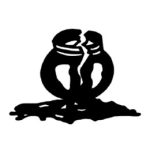
3. Zegbagbã: Accepting Imperfections
Zegbagbã, meaning “broken pot,” represents imperfection and teaches people to be patient with one another's shortcomings.
It comes from the proverb “Tɔmedelae gbãa ze,” which means “It is the person who fetches water who breaks the pot.”
The proverb reminds us that mistakes and accidents are part of life. A person who takes on a task may sometimes make a mistake while doing it. Rather than treating every mishap as a serious offence, people should learn to be understanding and tolerant of one another.

4. Nu Kple Ge: Sharing and Generosity
Nu kple ge means “mouth and beard.” It is a symbol of sharing and the importance of helping others when we have something to offer.
The symbol comes from the proverb “Ne nyo na nua eyae wogbãna ɖe ge me,” which means “When the mouth is full of food, some of it falls into the beard.”
The idea is that when someone becomes successful or has more than enough, the benefits may extend beyond that individual. Family members, neighbours, and other people in the community may also gain something from that success.
The proverb encourages people to share what they have with others. Even a small act of generosity can make a difference to those around us.

5. Atamagui: Kindness and Caution
Atamagui, meaning “snuff box,” is a symbol associated with kindness. It comes from the proverb “Atamagui be ame si nyo dɔme na ame la ɖe woxlẽa eƒe ta ɖe ati,” which warns that the head of a person who does good for others may be knocked against a tree.
The lesson is that acts of kindness are important, but not everyone will respond to them with gratitude. Sometimes, a person may repay kindness with harm.
The symbol reminds people to help others while also being careful about whom they trust. It encourages kindness without ignoring the possibility that others may take advantage of it.

6. Gomekaɖi: Light, Knowledge, and Progress
Gomekaɖi means “lantern” and represents light. It is associated with the saying “Kekeli,” meaning “There is light.”
Light makes it possible to see in darkness. In the same way, knowledge, wisdom, and positive actions can help people overcome ignorance and difficulties.
The symbol expresses the idea that where there is light, darkness loses its power. It therefore represents knowledge, progress, growth, and the ability to move forward instead of remaining in ignorance or stagnation.

7. Gui: Usefulness
Gui means “gourd” and represents usefulness. It comes from the proverb “Gui meɖi naneke o, gake ŋudɔwɔnu le eŋu,” which means “The gourd may look unimportant, but it has its uses.”
The proverb reminds us not to judge people only by their appearance, background, or present circumstances. Everyone has something to offer, even if their abilities are not immediately obvious.
Just as a gourd may appear ordinary but still serve a useful purpose, every person can play a meaningful role in society.

8. Koklozi le Kpe Dzi: Caution
Koklozi le kpe dzi means “egg on a stone.” It represents caution and reminds people to understand their limits before taking risks.
The symbol comes from the proverb “Koklozi meɖua ɣe le kpe dzi o,” which means “The egg does not dance on a rock.”
An egg placed on a hard rock can easily break. In the same way, people can get into trouble when they attempt things without considering the risks or their ability to handle them.
The lesson is to think carefully before acting and avoid taking on challenges that are beyond one's capabilities.

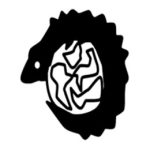
9. Sabala le Nogo Gake Mɔ le Eme: Individuality and Tolerance
Sabala le nogo gake mɔ le eme is an abstract symbol depicting an onion. It represents individualism, coexistence, and tolerance.
The symbol highlights the fact that people have their own identities, differences, and ways of living. Living together in a community does not mean that everyone must be the same.
Instead, people should learn to respect one another's differences and make room for others. The symbol encourages peaceful coexistence and understanding within society.

10. Ahliha: Mutual Support
Ahliha, meaning “laterite rock,” is a symbol of support. It comes from the proverb “Ta gbɔlo metsɔa hliha o,” which means “The bare head cannot carry a laterite rock.”
A person carrying a heavy rock on the head needs something to provide support and protection. In the same way, people often need help from others to overcome difficulties and make progress.
The symbol reminds us that no one has to face every challenge alone. Supporting one another, especially during difficult times, helps individuals and communities move forward.

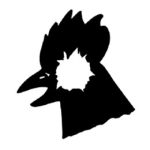
11. Atɔkula: Dawn and New Beginnings
Atɔkula, meaning “cockerel,” represents dawn and awakening. It comes from the proverb “Ŋu yeye ke na mí,” meaning “A new dawn has come to us.”
The crowing of a cockerel is associated with the beginning of a new day. The symbol therefore serves as a reminder that each new day brings an opportunity to work, make progress, and use one's abilities.
It encourages people, especially the younger generation, to make good use of their time and talents rather than allowing opportunities to pass them by.

12. Kpɔtimakpa: Perseverance and Self-Reliance
Kpɔtimakpa, identified as the Jatropha plant, is a symbol of defiance and standing firm in difficult circumstances.
It comes from the proverb “Mele te xeyiɣi sia xeyiɣi,” which means “We remain firm in all situations.”
The symbol encourages people to persevere through life's uncertainties. Difficulties may arise, but people should try to remain strong and find ways to deal with the situations they face.
It also teaches self-reliance and resourcefulness. Rather than giving up when circumstances become difficult, people are encouraged to make use of what they have and look for practical ways forward.

13. Kokloxɔ: Contentment and Humility
Kokloxɔ, meaning “hen coop,” represents contentment. It comes from the proverb “Kokloxɔ mekpea ŋu na koklo o,” which means “A fowl is not ashamed of its coop.”
The proverb teaches that people should not be ashamed of their circumstances simply because they seem modest or less impressive than those of others.
Contentment requires humility and the ability to appreciate what one has. The symbol encourages people to accept their present situation while maintaining their dignity, rather than constantly comparing themselves with others.

14. Ati Alɔ Etɔ̃: Worship and Divine Protection
Ati alɔ etɔ̃, meaning “three arms,” is a symbol of worship. It represents the three-part nature of God and the belief in God's protection over an individual's life.
The symbol comes from the proverb “Nu etɔ̃ yae wɔ agbe,” which means “It is three things that make life.”
It serves as a reminder of the existence of God and the importance of divine protection in people's lives. The symbol also reflects the place of religious belief within Ewe cultural traditions.

15. Deti: Versatility and Productivity
Deti, meaning “palm tree,” represents versatility. The palm tree is valued for its many uses, making it a fitting symbol for the ability to be useful in different ways.
It is associated with the proverb “Dɔwɔnu le nyuie le mɔ geɖeewo nu,” which conveys the idea that a person can be capable and useful in many areas of life.
The symbol encourages people, especially young people, to develop their abilities and put them to good use. Rather than relying on only one skill, people are encouraged to recognize their potential and contribute to their communities in different ways.

16. Afɔxɔdzo: Punishment and Accountability
Afɔxɔdzo, meaning “hot feet,” is a symbol of punishment. It comes from the proverb “Ne anyigba xɔ dzo la, afɔe nyana,” which means “It is only the foot that knows when the ground is hot.”
The proverb teaches that people must take responsibility for their actions. A person who does something wrong should expect to face the consequences of that behaviour.
Just as the foot feels the heat of the ground, the person who commits a wrong may be the one who experiences its consequences most directly. The symbol serves as a reminder that actions have consequences and that people should think carefully about how they behave.

17. Agaga Lolo: Value and Respect
Agaga lolo, meaning “the big cowry,” represents value. It comes from the proverb “Agaga lolo me ƒle na agaga eve ƒe nu o,” which means “One big cowry cannot be used to pay for two cowries.”
The symbol teaches people to recognize and respect the value of others. Everyone has different strengths and abilities, and a quality that one person lacks may be something another person possesses.
It reminds us not to measure everyone's worth in the same way. Respecting others means recognizing that each person has something unique to contribute.

18. Anyigba Sesẽ: Caution and Humility
Anyigba sesẽ, meaning “solid earth,” is a symbol of caution. It comes from the proverb “Anyigba sesẽ gake agama ɖo na afɔ anyi blewuu,” which means “Though the earth is solid, the chameleon makes cautious steps on it.”
Even when the ground appears firm, the chameleon moves carefully. The proverb uses this behaviour to remind people that life can be unpredictable.
Having a good life or being in a strong position today does not mean that circumstances will always remain the same. The symbol encourages people to remain humble, avoid becoming overconfident, and approach life's decisions with care.

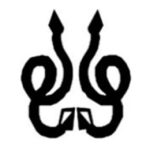
19. Lɔlɔ̃sakɔ: Consequences and Justice
Lɔlɔ̃sakɔ, described in the source as “snake dies up,” represents the idea that wrongdoing may eventually catch up with the person responsible.
It is associated with the proverb “Da ku ɖe dzi, me tsia dzi,” which means “A snake that dies up never remains up.”
The lesson is that someone may escape punishment for a wrong action for a time, but that does not mean they will escape forever. The symbol warns people against assuming that they can continue doing wrong without facing the consequences.
It reinforces the idea that justice may take time, but wrongdoing should not be treated as though it has no consequences.

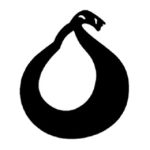
20. Dã Kuɖedzi: Commitment in Relationships
Dã kuɖedzi, meaning “love knot,” represents commitment. It comes from the proverb “Ne lɔlɔsakɔ la menya tuna o,” which means “When love knots, it is difficult to unfasten.”
The symbol is associated with lasting relationships, particularly marriage. A knot can be difficult to untie once it has been tightened, and the proverb uses this idea to express the strength of a committed relationship.
It encourages couples to remain faithful to one another and build their relationships on trust and commitment. It also reminds people that strong relationships require care and dedication.

21. Dɔmenyo Tae: Generosity and Careful Giving
Dɔmenyo tae, meaning “due to generosity,” is a symbol of generosity. It comes from the proverb “Dɔmenyo tae ta mele agalasi o,” which means “Due to generosity, the crab has no head.”
The symbol teaches the importance of giving and helping others, while also reminding people to think carefully about their acts of kindness.
Generosity is a valuable quality, but it should not mean giving without considering the consequences. The proverb encourages people to be kind while using good judgement, so that helping others does not lead to unnecessary harm or loss.

22. Afia ɖe Kpɔkpɔ: Hard Work
Afia ɖe kpɔkpɔ, meaning “staring somewhere,” is a symbol of hard work. It is associated with the proverb “Afia ɖe kpɔkpɔ nyo wu ya me kpɔkpɔ,” which means “Staring at a less important place is better than staring into the air or space.”
The symbol encourages people to find something useful to do rather than spend their time doing nothing. Even work that seems small or unimportant can have value.
Its message is that earning a little through honest work is better than remaining idle without earning anything. It reminds people to make use of their time and take responsibility for their own livelihood.
Keeping Ewe Cultural Symbols Alive
Ewe cultural symbols carry lessons about relationships, responsibility, hard work, patience, faith, and the importance of community. Their meanings come from the proverbs and experiences that have shaped Ewe life over generations.
These symbols are also an important part of traditional art, especially kete cloth. When used in woven textiles, printed fabrics, decorations, and other artistic works, they allow cultural knowledge to be shared through visual designs as well as words.
Preserving these symbols means more than keeping their designs alive. It also means passing on the proverbs and explanations behind them so that younger generations can understand what they represent.
By learning about Ewe symbols and their meanings, people can gain a better understanding of the values and experiences that have shaped Ewe culture. These traditions remain a valuable part of the community's cultural heritage and continue to offer lessons that are relevant to everyday life.